Early Signs & Diagnosis
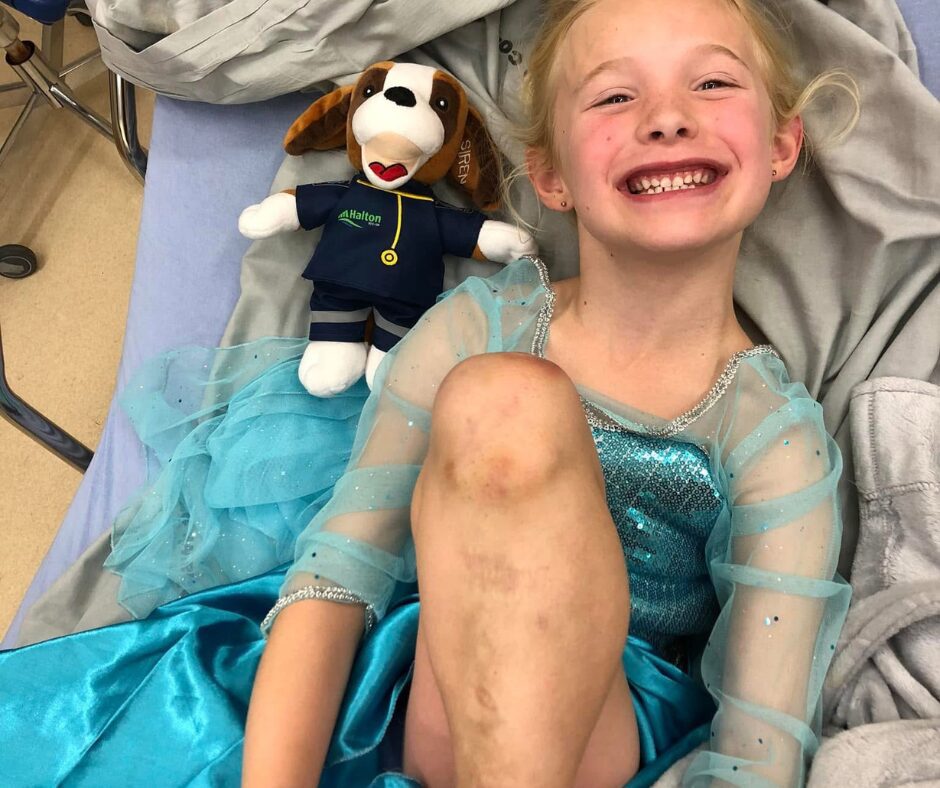
Elliana was diagnosed with classical Ehlers-Danlos syndrome (cEDS) through genetic testing when she was 3 years old. Her diagnosis was the result of a de novo mutation. Her diagnosis helped explain her delay in meeting gross motor milestones, difficulty with feeding, and her skin splits and bruising.
She is now 13 years old and has endured 13 sets of stitches, multiple subluxations and dislocations, hospitalizations, and surgeries. She has also received secondary diagnoses of POTS, hemiplegic migraines, and primary and secondary chronic pain.
Living with a Complex Condition
Her journey has been challenging due to the lack of awareness of cEDS. Every trip to the emergency room, specialist visit, or ambulance call has involved significant advocacy and education about her condition.
cEDS affects more than just her skin, joints, and muscles. Elliana’s urinary, cardiovascular, and respiratory systems are also impacted.
Growing Up with cEDS
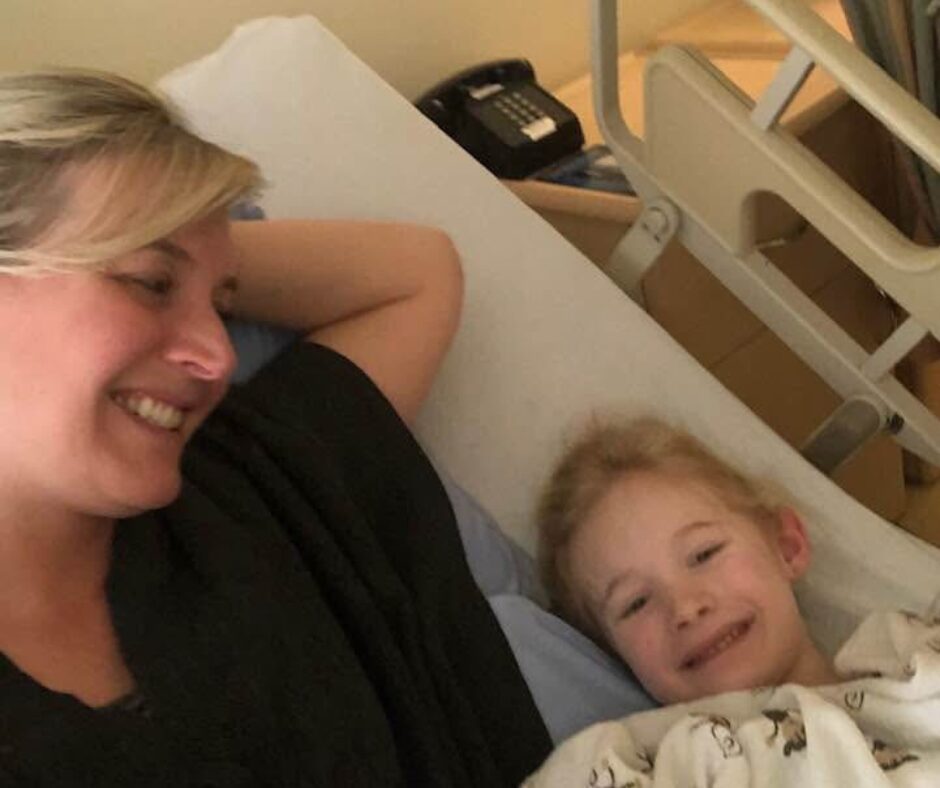
Growing up with cEDS, Elliana has struggled with not being able to participate in activities her peers were involved in. She has missed out on events because of appointments or because she was managing an injury or infection that was not healing.
She has also had to learn how to handle comments and stares from others about the scars and bruises on her legs.
The Role of Advocacy
As a parent of a child with a rare chronic condition, it can be difficult to advocate and often feel met with responses like, “We don’t know why this is happening,” or “There isn’t anything we can do.”
We have learned a great deal through our own experience, research, and by connecting with other cEDS families.
I wish we had been proactively told about ways to protect Elliana’s skin, about wound care products like adhesive-free tape, special leggings to protect her legs, stitches being left in longer, wound care, the need for more anesthetic, using things like pool noodles on bed rails, how to use steri strips, managing subluxations, first aid wound kit necessities, gauze sleeves, antibiotic gauze, joint braces, etc. I also wish we’d been told about comorbidities that often accompany cEDS so we could have been prepared to recognize signs and symptoms early.
It was important to communicate with her school about accommodations to help her manage pain and stay safe. Having a medical alert bracelet gives me peace of mind that if I am not with her, a first responder will be made aware of her condition.
Navigating Complex Care
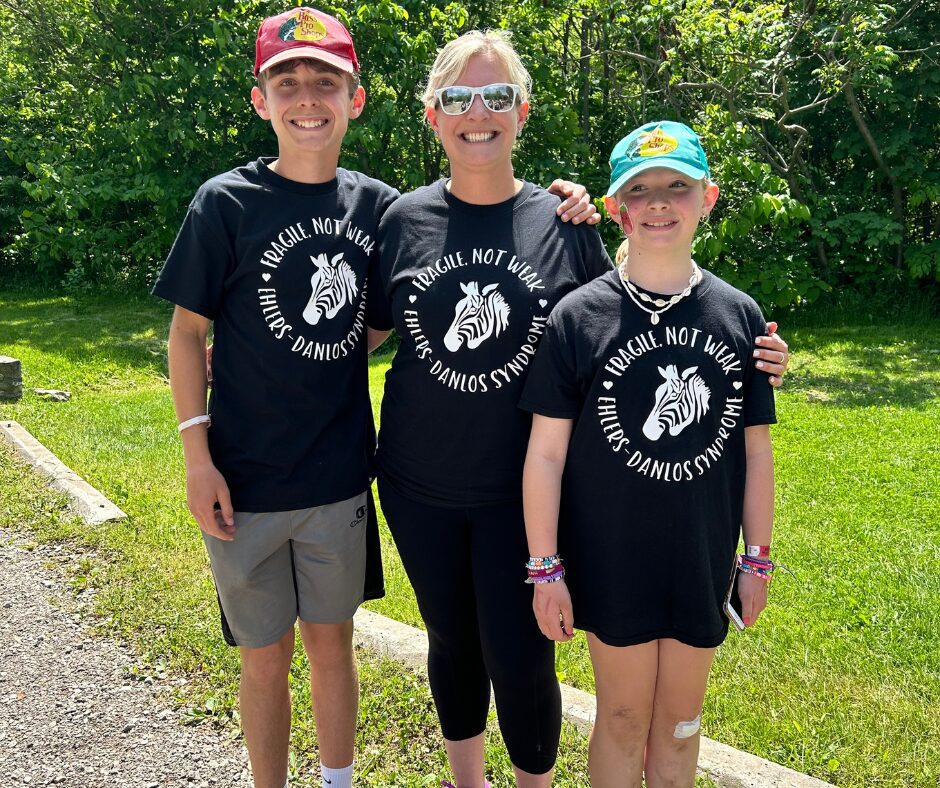
It can be difficult to keep track of everything as a parent — all the appointments, all the information.
In addition to frequent emergency room visits, Elliana has seen cardiologists, dermatologists, urologists, nephrologists, plastic surgeons, wound care specialists, allergists, and specialists at an EDS clinic.
Strength, Joy, and Self-Advocacy
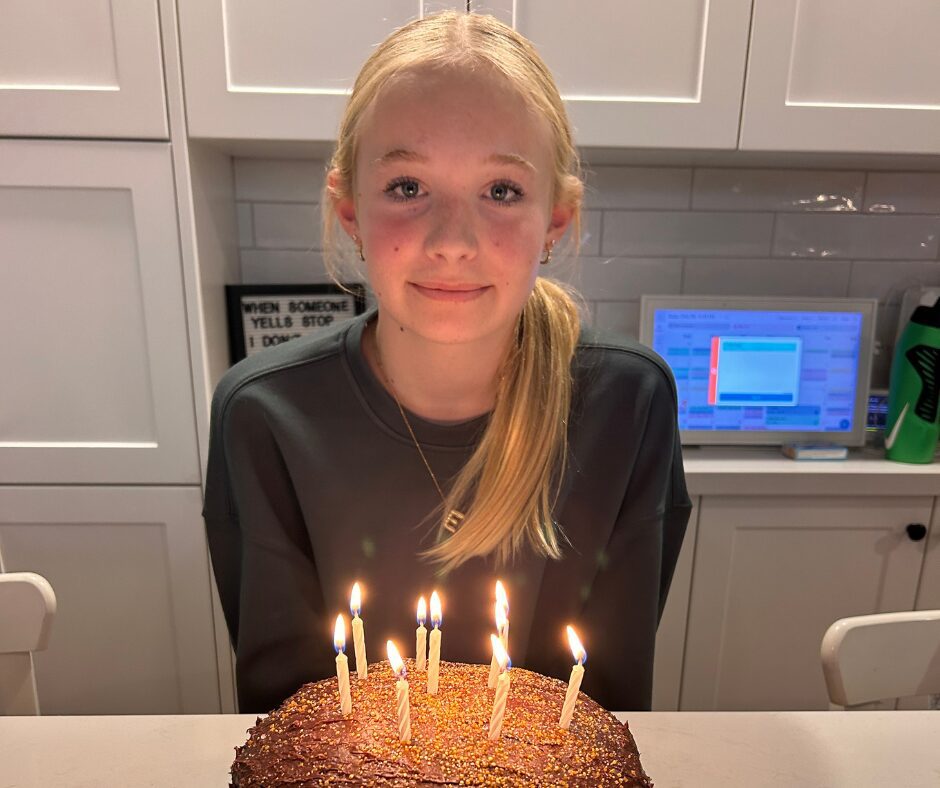
Despite the hardships, Elliana is vibrant, funny, kind, and strong.
She loves to dance, loves animals, playing guitar, playing volleyball, and spending time with her friends. She is learning to advocate for herself and to speak up about what she needs.
Living with cEDS is not always easy. The more we can spread awareness, advocate, and educate, the more we can hopefully make it easier for all those impacted by EDS to get the care and information they need to thrive.