About: Hypermobility Health Connect® provides patients and practitioners with evidence-informed digital tools to support self-advocacy, improve the diagnostic journey, and guide better care for hypermobility, HSD, hEDS and other related conditions.
Overview
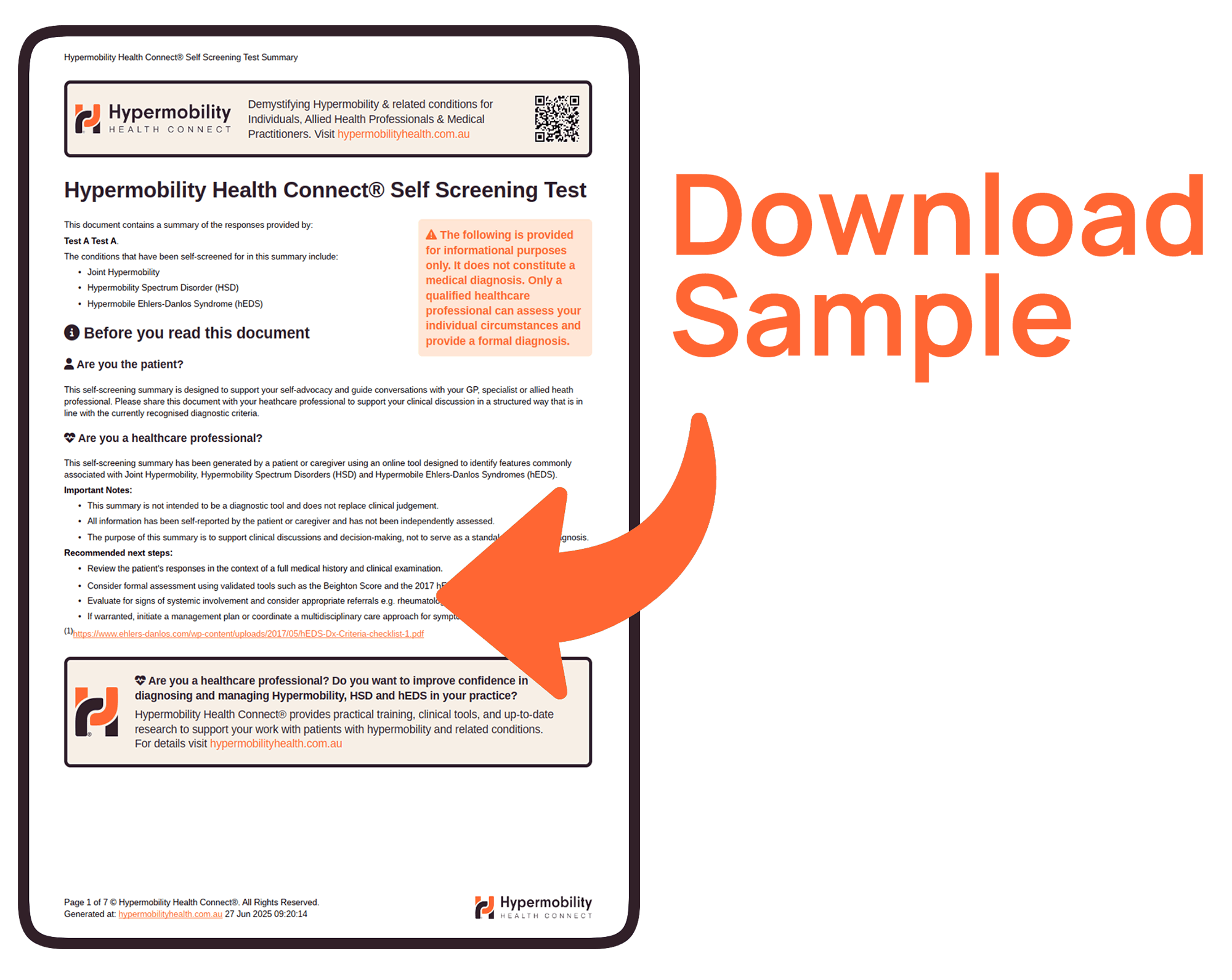
We are pleased to present findings from the Self-Screening Test for Hypermobility (SSTH)—a free online Hypermobility Test designed to support structured self-screening for hypermobility, hypermobility spectrum disorders (HSD), and hypermobile Ehlers-Danlos syndrome (hEDS).
The SSTH is currently aligned with the 2017 criteria and guidelines and represents an innovative approach to addressing persistent gaps in both patient and practitioner awareness. As work continues on the revised understanding and criteria for HSD/hEDS the Self Screening Tool for Hypermobility, hEDS and HSD, will keep pace with the changes and will update the tool promptly once the new criteria are released. It is not a diagnostic tool and does not provide medical advice but rather serves as a practical self-screening and self-advocacy resource.
Initially presented at The Ehlers-Danlos Society’s 2025 International Scientific Symposium in Canada, the SSTH continues to show strong early use. With over 8,250 tests done and ongoing completion rates exceeding 3,000 per month, it is demonstrating growing international uptake across a wide geographical spread.
For many, finding answers about whether their hypermobility, pain, fatigue, anxiety, or other health issues are part of a more complex syndrome can take over 15 years. It is often a long, costly, and invalidating journey. The SSTH provides a single, highly accessible digital online screening pathway helping people work through complex criteria in a structured and understandable way.
After seven months of real-world use, the SSTH has proven easy to use, even for people with little or no prior knowledge of hypermobility-related conditions. Early findings indicate that it helps users better understand their symptoms, build confidence in navigating the diagnostic journey, and engage more effectively with health professionals. It also offers a practical, scalable approach to early screening, while generating valuable real-world insight into how people respond to hypermobility-related questions and criteria at scale.
Key SSTH findings at a glance
The following headline figures summarize key findings from the primary SSTH dataset and the follow-up survey, highlighting the tool’s reach, usability, and participant-reported value.

8,250
completions across 43 countries

92.1%
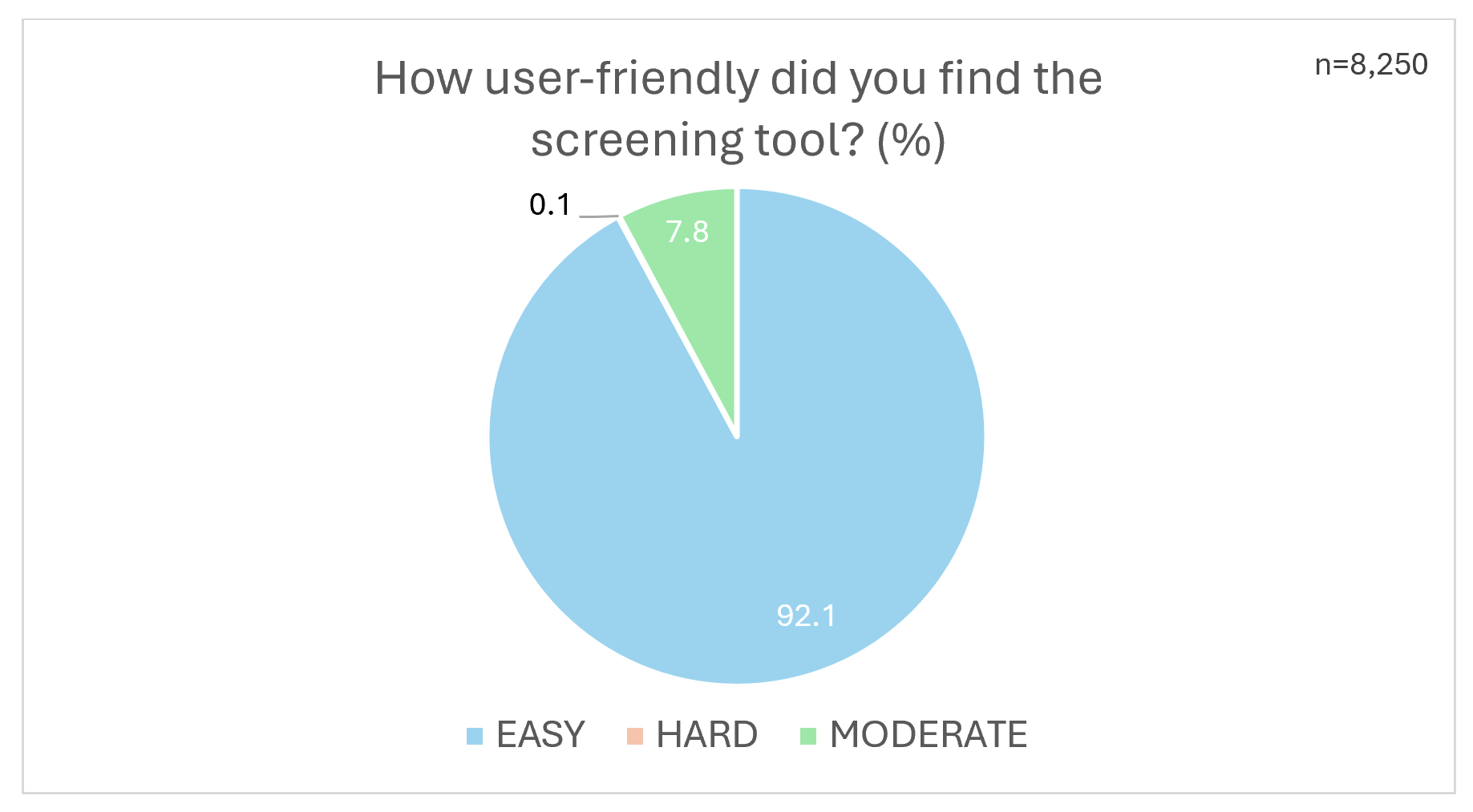
rated the SSTH “Easy” to complete

96%
returned an HSD or hEDS test outcome (self-assessed)

34.9%
reported “none” or “little” prior knowledge of hypermobility-related conditions

91.7%
said the SSTH gave them “more confidence”

100%
rated the SSTH as “useful”

Gender
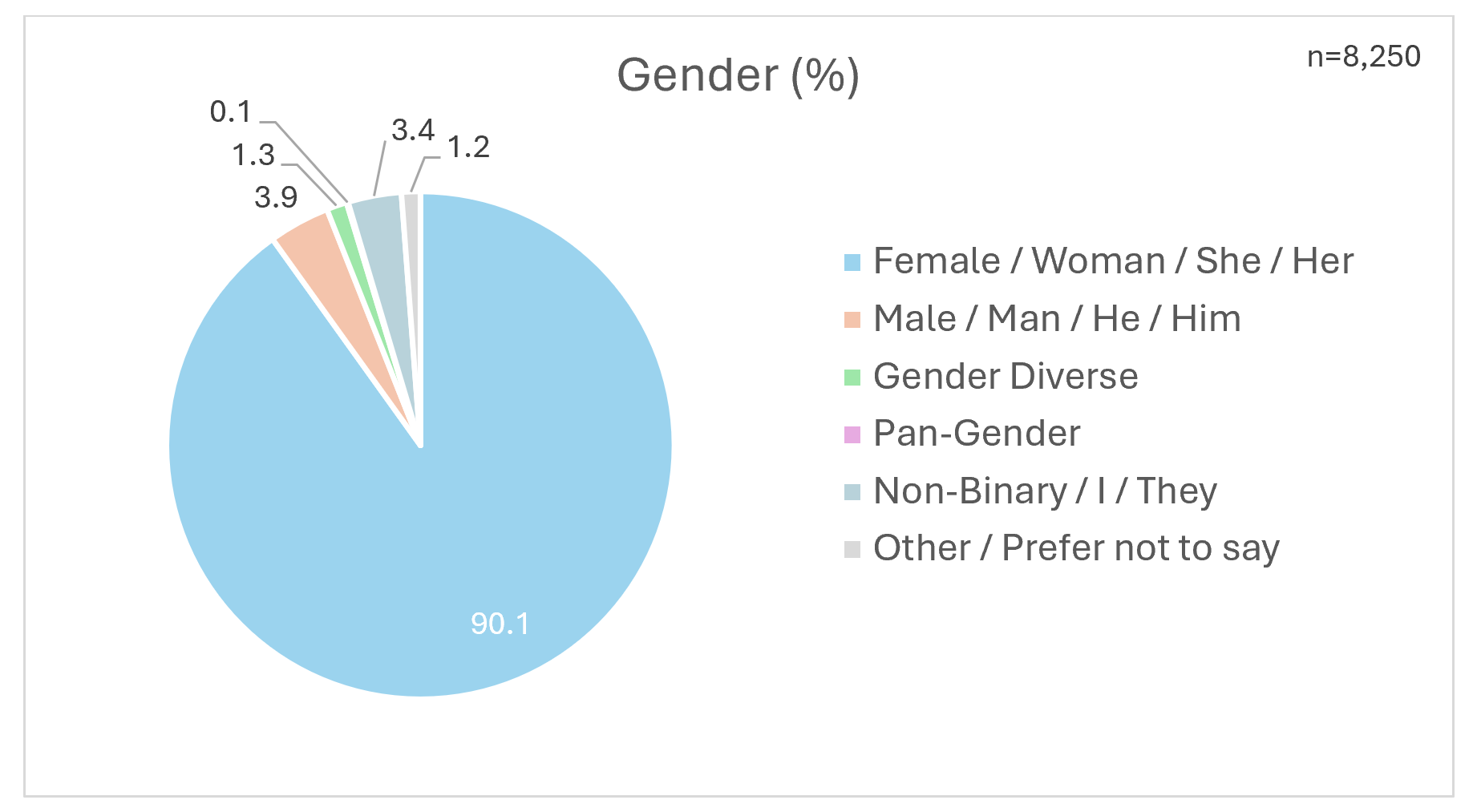
90.1% Female
3.9% Male
4.8% Non-Binary

Age
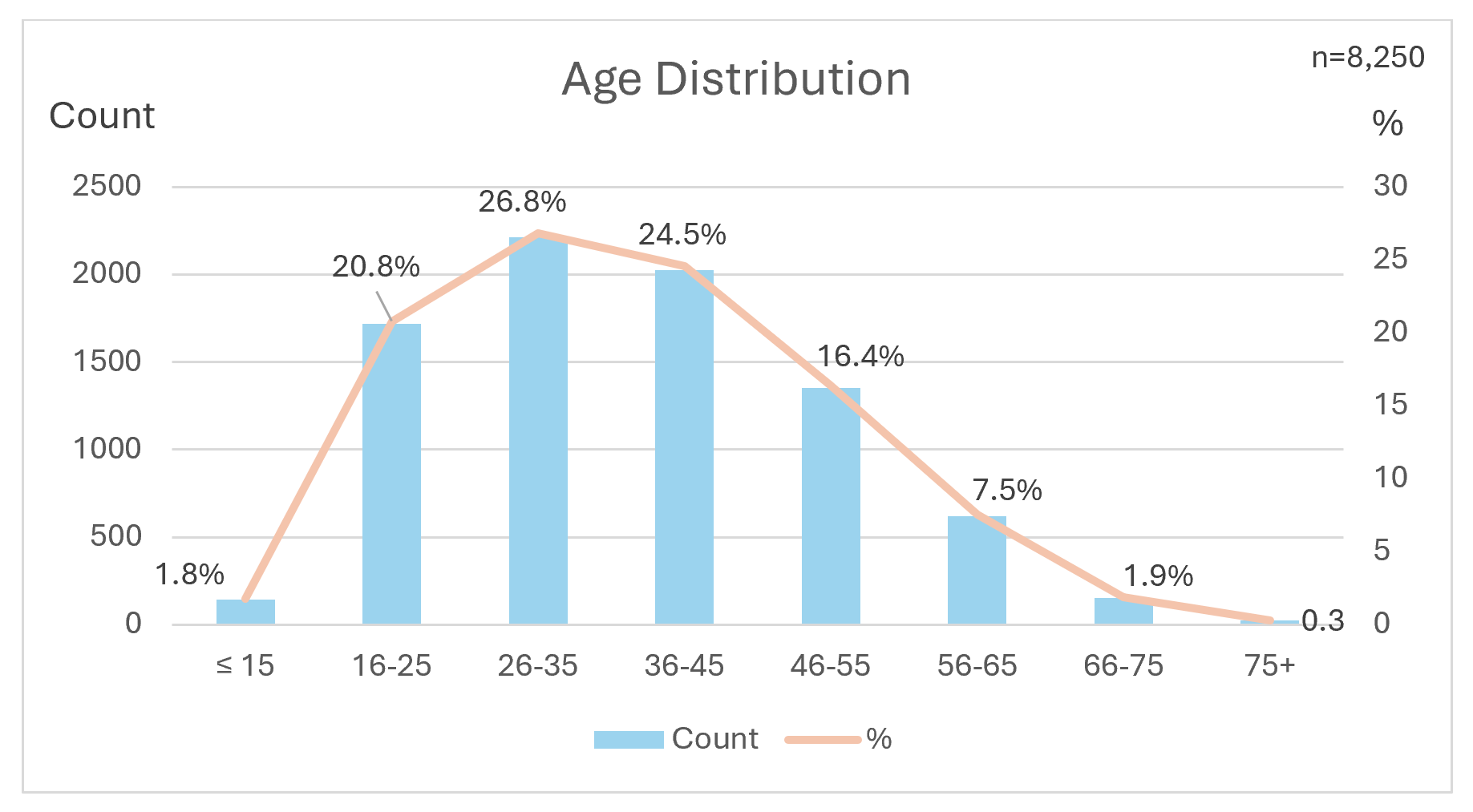
Average age: 36.9 y.o.
Median age: 36 y.o
Age range: 15-85 y.o
72.1% between 16
-45 y.o

Global Reach
43 countries represented
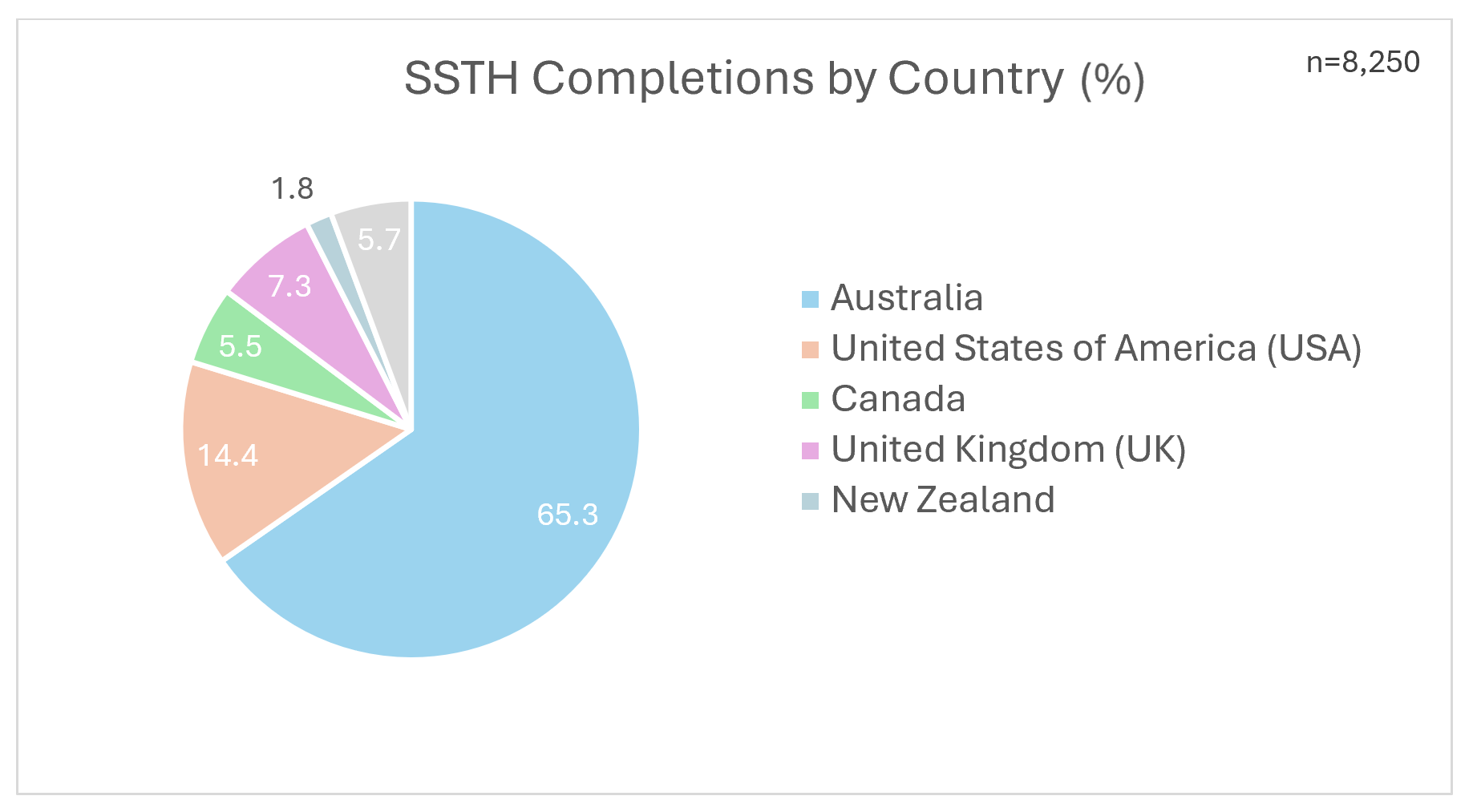
65.3% Australia
14.4% United States
5.5 % Canada
7.3% United Kingdom (all)
1.8% New Zealand
5.7% Other countries
Why the Self-Screening Test for Hypermobility (SSTH) was Developed
Launched in August 2025, the Self-Screening Test for Hypermobility (SSTH) was developed as a new online approach to support earlier recognition, symptom self-awareness, and to encourage more informed conversations between individuals and healthcare professionals.
Built as a free, research-informed online tool, the SSTH uses advanced software automation to generate personalized summary reports that help users better understand whether their presentation may be consistent with generalized joint hypermobility, hypermobility spectrum disorder (HSD), or hypermobile Ehlers-Danlos syndrome (hEDS).
The SSTH was designed to address a persistent gap in the hypermobility landscape: the lack of accessible, time-efficient tools that bring together the core elements of screening in one place. Guided by the Beighton Score, the 2017 International Classification for hEDS, and established features associated with HSD and hEDS presentations, the SSTH incorporates assessments of joint hypermobility, symptom patterns, systemic features, and relevant comorbidities.
It adopts a mobile-first, step-by-step format, using customized illustrations, easy-to-understand language, branch-logic questioning, and user-centered design considerations that consider both age and gender diversity. In doing so, the SSTH aims to make complex screening logic across hypermobility, HSD, and hEDS more accessible to people with little or no prior health knowledge.
From the outset, the innovation lay not only in the test itself, but in how it was delivered. By reducing a fragmented process into a streamlined online experience that can be completed in around 15 minutes, the SSTH demonstrates how thoughtfully designed digital tools can improve accessibility, consistency, and user engagement. The result is an all-in-one self-screening pathway that supports individuals in preparing for more informed clinical discussions, while also highlighting broader opportunities for education, awareness, and service design.
Alignment of the SSTH With Emerging Evidence and Future Directions
The SSTH is intended as both a practical screening resource for current use and a flexible foundation for the next phase of hypermobility and hEDS research and care.
Rather than remaining fixed to the 2017 diagnostic framework, the SSTH has been developed as a research-responsive tool that can be altered/refined over time as new evidence and updated clinical frameworks emerge.
This responsiveness is important, as the clinical framework for hypermobility, hEDS and HSD remains under active review. While the 2017 criteria provided an essential foundation, the field continues to evolve with emerging research. Accordingly, the SSTH should be understood not as a static replication of earlier criteria, but as an adaptable screening pathway designed to remain current with advances in the understanding of hypermobility disorders.
Sponsorship
The SSTH is not an academic research tool; rather, it is a commercially sponsored, research-informed digital health service developed and operated within an Australian-led privacy, governance, and compliance framework. It was developed in partnership between Hypermobility Health Connect (Australia; specialist physiotherapy-led, with clinical oversight by Pauline Slater, CNE) and SmarterSoft (Australia; software developer specializing in digital systems for government, public health, and community services.
Design and Collection Method
Primary data were collected from August 1, 2025, to February 28, 2026 (n=8,250), via a responsive, web-based Online Hypermobility Test covering hypermobility, HSD, and hEDS screening. Recruitment occurred primarily through social media advertising and Google advertising, with promotional activity focused on Australia, New Zealand, the United States, and Canada. Participation was contingent on required consent, and the SSTH incorporated age verification and adult supervision requirements (i.e., eligibility and supervision safeguards for minors and younger participants).
A separate follow-up survey was conducted from October 1, 2025, to February 28, 2026 (n=340). The survey was distributed at 21, 42, and 84 days after SSTH completion, with follow-up requests ceasing upon receipt of a participant’s first response. The follow-up survey aims to review how the SSTH is being used and accepted as a practical support resource.
Key Statistics and Findings
Primary dataset (n=8,250):
- 8,250 completions by individuals from 43 countries (Australia 65.3%; United States 14.4%; Canada 5.5%; United Kingdom [all] 7.3%; New Zealand 1.8%; all other countries combined 5.7%).
- 92.1% of participants rated the SSTH as “Easy” to complete (“Moderate” 7.8%; “Hard” 0.1%).
- 34.9% of individuals reported “none” or “little” prior knowledge of hypermobility-related conditions at the time of completing the SSTH (48.25% “suspected” they may have a hypermobility-related condition; 16.9% “quite familiar” with, or “living with,” hypermobility-related conditions).
- 96% of individuals returned an HSD or hEDS self-screening outcome (“Probable-hEDS” 37%; “Probable-HSD” 59%).
- Gender (“Female / Woman /She / Her” 90.1%; “Male / Man / He / Him” 3.9%; “Gender Diverse” 1.3%; “Pan-Gender” 0.1%; “Non-Binary / I / They” 3.4%; “Other / Prefer not to say” 1.2%)
- Age (median age 36; mean age 36.9; mode 36)
Follow-up survey dataset (n=340):
- 340 completions by individuals from 19 countries (Australia 62.4%; United States 12.4%; Canada 6.8%; United Kingdom 5.3%; New Zealand 3.8%; England* 2.4%; Combined other 7.1%).
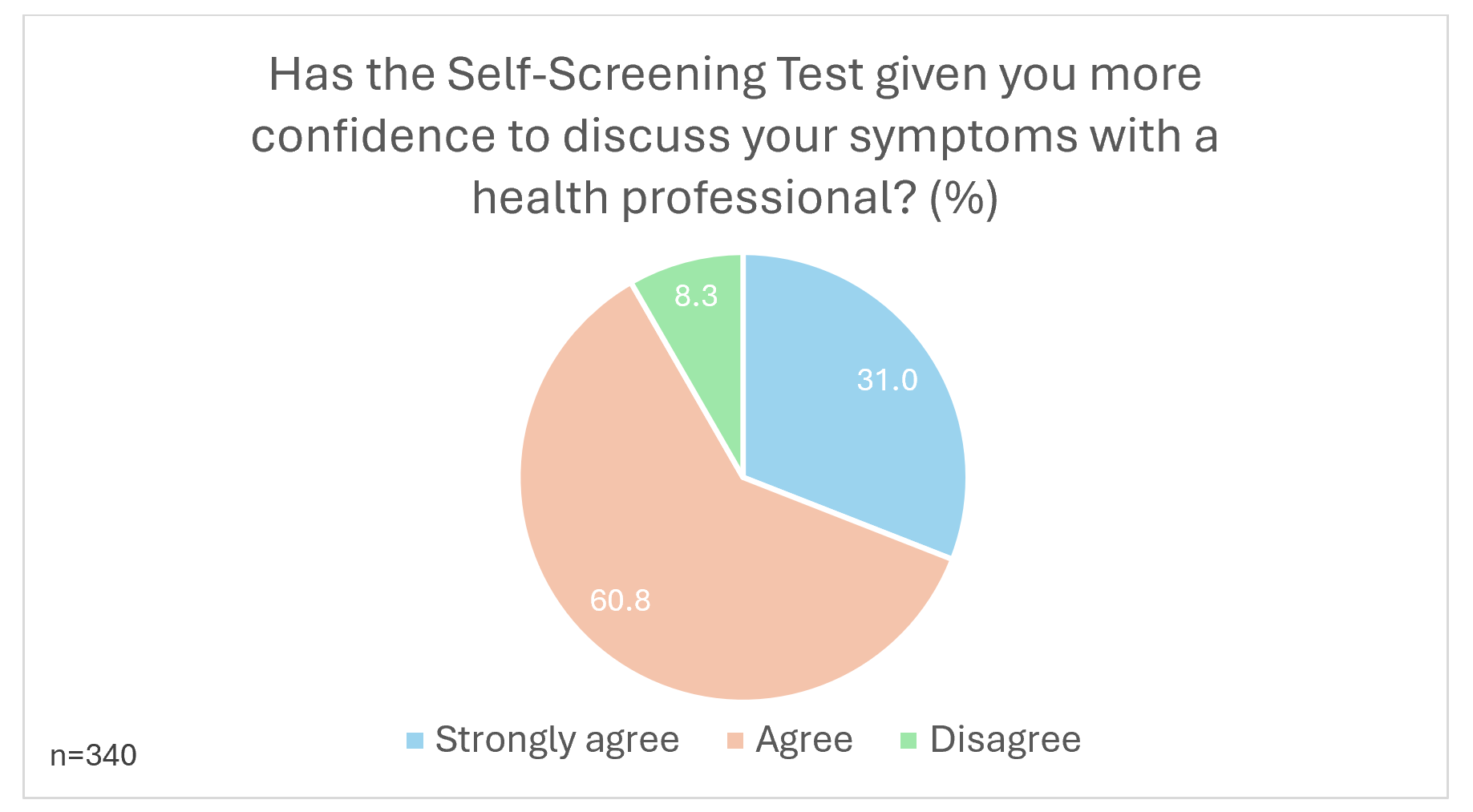
- 91.7% of all follow-up respondents report that the SSTH has given them more confidence to discuss their symptoms with a health professional.
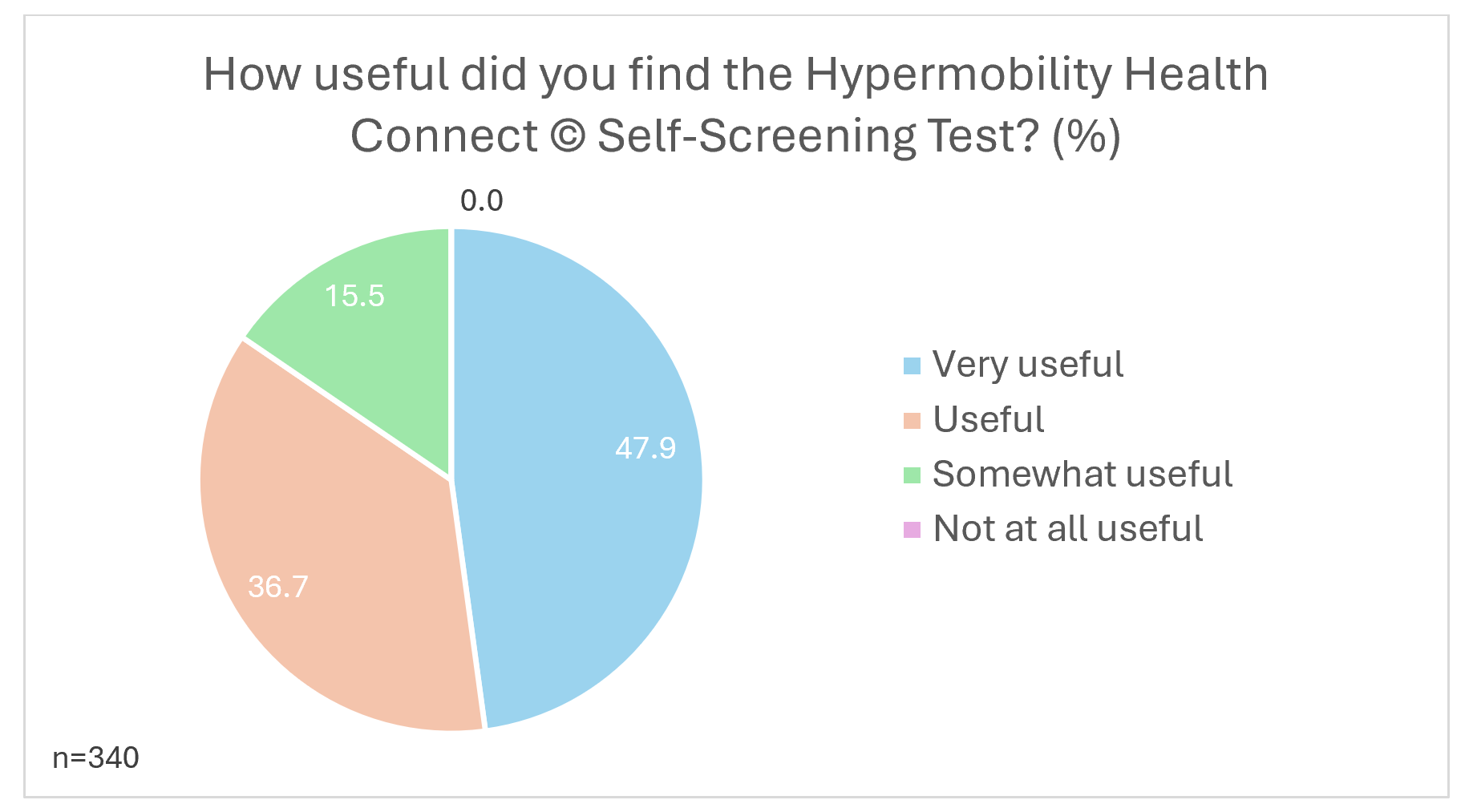
- 100% of all follow-up respondents reported the SSTH as having some level of usefulness (“Very useful” 47.9%; “Useful” 36.7%; “Somewhat Useful” 15.5%; “Not at all Useful” 0.0%)
- 81.6% of those who presented their SSTH results to a health professional reported that the professional either “took it seriously and discussed the results” (39.8%) or “acknowledged the test results” (41.8%).
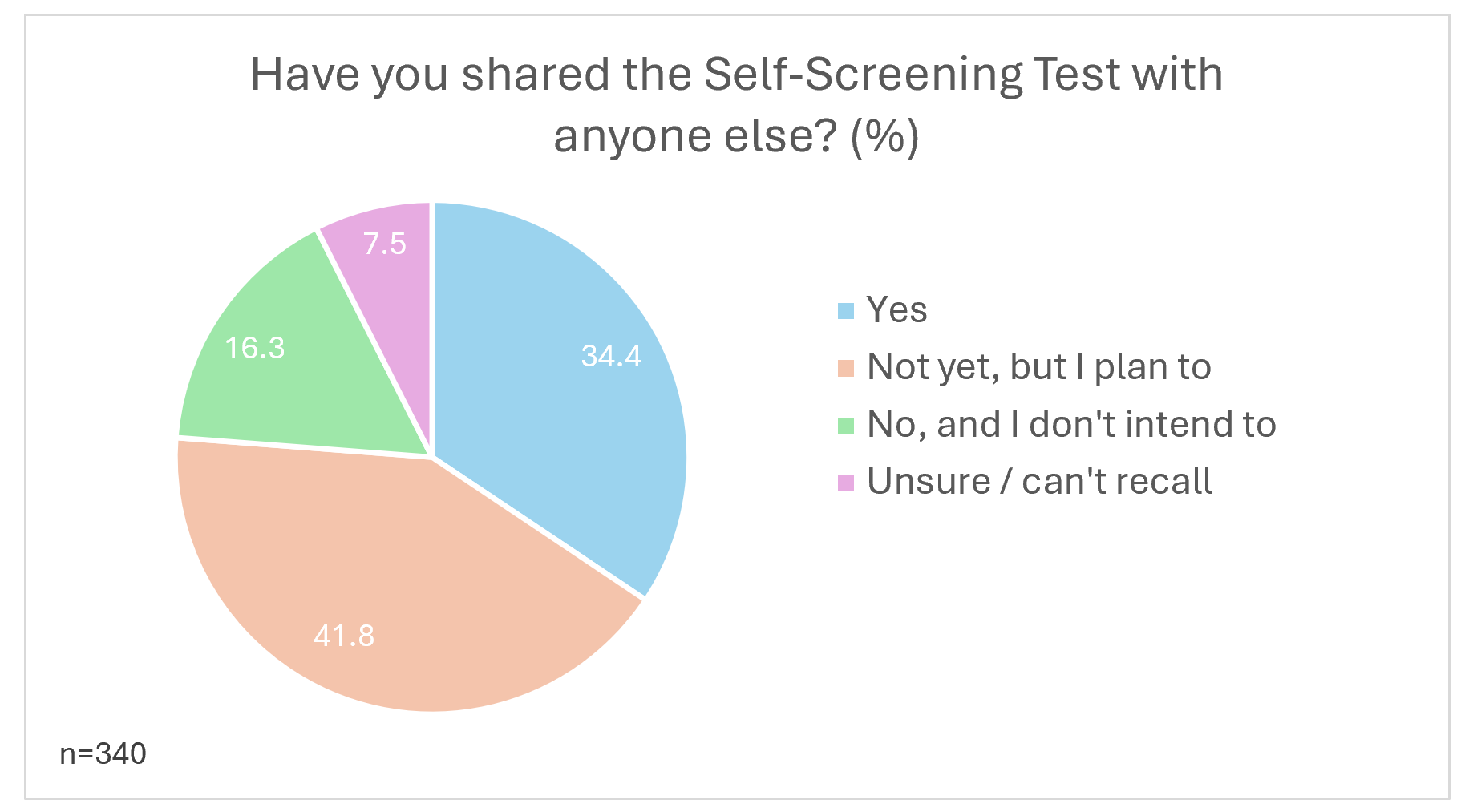
- 84.8% of all follow-up respondents reported that they had shared (or intend to share) their SSTH results PDF with a health professional
- 76.2% of all follow-up respondents reported that they had shared (or intend to share) their SSTH results with someone other than a HP (e.g., friends, family)
- After completing the SSTH, across all follow-up respondents:
- 98.3% of individuals booked an appointment with a health professional
- 89.2% of individuals looked for more information
- Of those that have not yet been able to see a health professional:
- 29.4% cited “Difficulty finding a health professional with appropriate knowledge or awareness”
- 24.1% cited “Negative past experiences with health professionals”
Discussion and Conclusions
Across a substantial primary dataset (n=8,250) and follow-up sample (n=340), the SSTH demonstrates encouraging feasibility, usability, and patient-reported utility as a large-scale digital screening support tool for hypermobility-related presentations. The volume of completions across 43 countries, together with the finding that 92.1% of participants rated the SSTH as “Easy” to complete, suggests that the tool is both technically scalable and conceptually accessible, despite the clinical complexity of combining hypermobility, HSD, and hEDS screening within a single pathway. This is particularly relevant given that 34.9% of participants reported “none” or “little” prior knowledge of hypermobility-related conditions at the time of completing the SSTH.
The finding that 96% of participants returned an HSD or hEDS screening outcome (37% “Probable-hEDS”; 59% “Probable-HSD”) supports the tool’s capacity to capture clinically relevant signal within a help-seeking population actively looking for explanations for hypermobility-related symptoms. Follow-up findings further suggest that the SSTH may improve consultation readiness and practical engagement with care pathways. Among follow-up respondents, 91.7% reported greater confidence in discussing their symptoms with a health professional, 100% reported at least some level of usefulness, and 84.8% had shared, or intended to share, their results PDF with a health professional. Among those who had presented their results to a health professional, 81.6% reported that the professional either took the results seriously and discussed them or acknowledged them. In addition, 98.3% reported booking an appointment with a health professional after completing the SSTH, while 89.2% reported seeking further information.
Taken together, these findings support the SSTH’s intended role as an adjunct to clinical pathways, helping to structure symptom narratives and support more informed clinical conversations, rather than functioning as a stand-alone diagnostic instrument.
These findings should, however, be interpreted in light of several limitations. The sample is self-selected and reflects targeted promotion, so it should not be interpreted as representative of population prevalence, including that the Australian population had access from August 2025 and there has only been limited international access from November 2025 through February 2026. International participation introduces variability in healthcare access and clinician familiarity with hypermobility-related conditions, which may influence how outputs are used in practice. The follow-up findings are also based on a smaller respondent group and reflect participant-reported outcomes rather than independently verified clinical endpoints.
Accordingly, while the present results are strong in relation to uptake, usability, and perceived diagnostic assistance, formal validation against clinical assessment and longer-term outcomes remains an important next step. Even so, the scale of response, the strong usage profile, and the consistency of the follow-up signals suggest that the SSTH has meaningful potential as an accessible, adaptive, structured digital online screening support tool in this evolving field.
Validating the SSTH
Validation of the SSTH is currently underway to assess how accurately and consistently its provisional self-screening outputs align with formal clinical assessment, including its ability to appropriately identify individuals who warrant further evaluation for HSD, hEDS and connective tissue-related conditions.
Want more information or access to the SSTH?
Researchers, clinicians, and organisations interested in the SSTH, including its in-practice use, implementation, partnership opportunities, or early access to updates, are invited to Contact Us for further information.
Charts
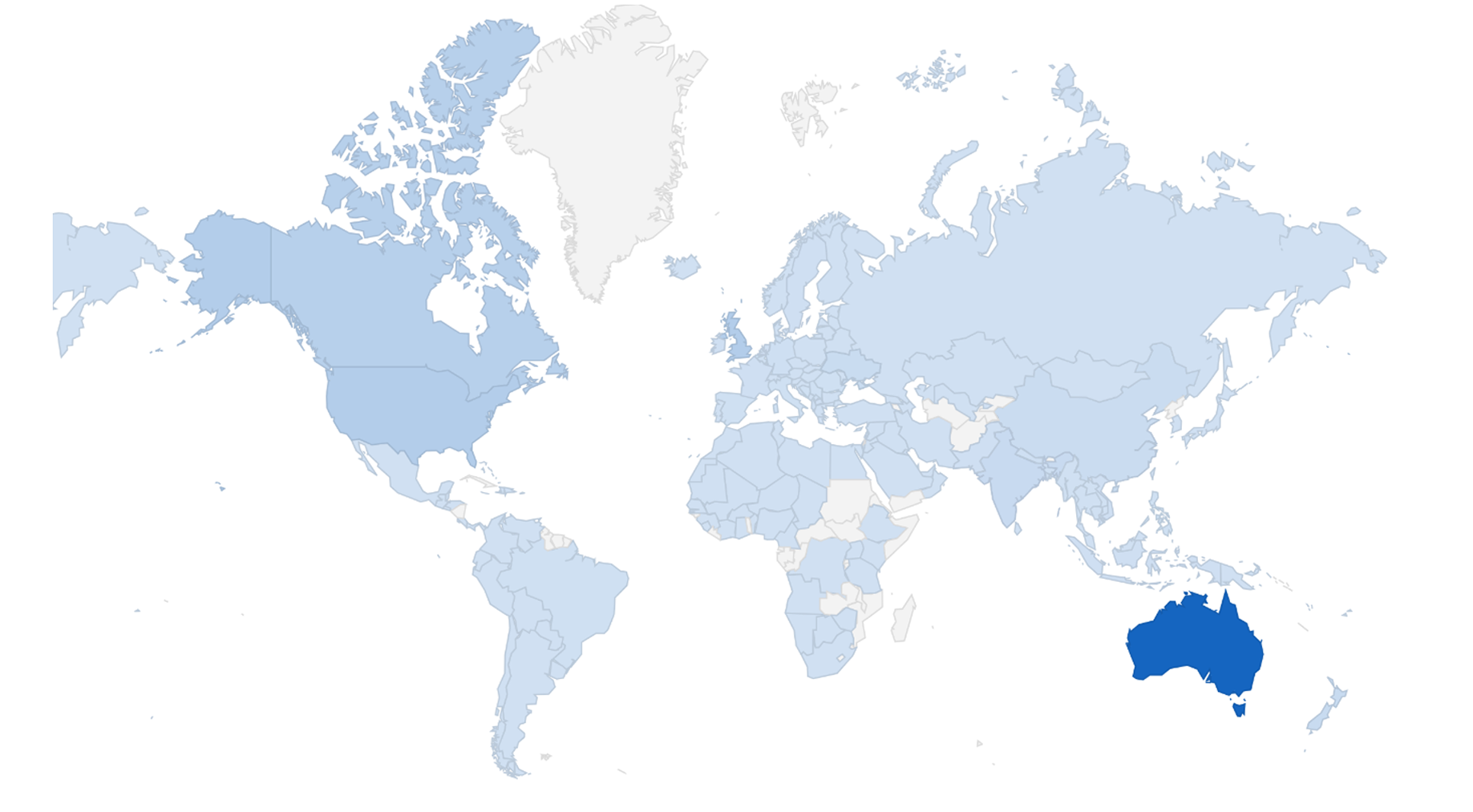
Geographic distribution of SSTH promotional reach by country (heatmap), August 1, 2025, to February 28, 2026; not all countries were eligible for test completion.
Probable hEDS = 3090 = 37%
Probable HSD = 59%
Probable GJH = 2%
Other XJH (peripheral hypermobility) or no =2%
No joint hypermobility 75+14